All UK Freeports

Explore each of the 12 UK Freeports. Each one is strategically located, each is tailored to its local strengths and needs, and each fosters innovation, economic growth, and job creation.
- Anglesey Freeport
- Celtic Freeport
- East Midlands Freeport
- Freeport East
- Forth Green Freeport
- Humber Freeport
- Inverness and Cromarty Firth Green Freeport
- Liverpool City Region Freeport
- Plymouth and South Devon Freeport
- Solent Freeport
- Teesside Freeport
- Thames Freeport
Anglesey Freeport
Anglesey Freeport – a partnership between Isle of Anglesey County Council and Stena Line – drives economic growth and prosperity across North Wales. With an ambition to establish the region as a hub for low-carbon innovation and booming international trade, Anglesey Freeport offers new opportunities for local communities, enhances commercial competitiveness of North Wales, and supports the UK’s economic prosperity.
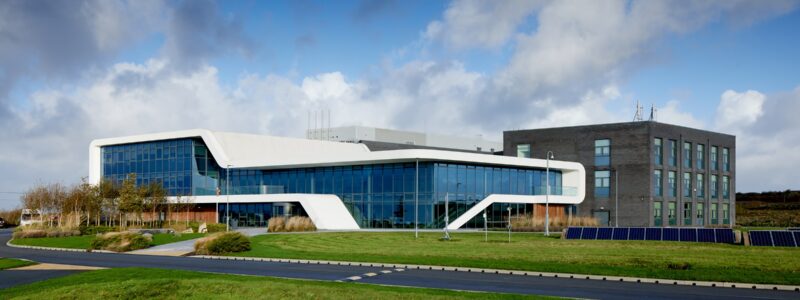
- Anglesey Freeport and IACC’s Energy Island Programme collaborate to promote Anglesey as a low-carbon energy development leader, offering streamlined processes and financial flexibilities for businesses across this sector.
- The first steps have been taken to revitalise Prosperity Parc, a 200-acre site adjacent to Holyhead within Anglesey Freeport. Stena Line has submitted a demolition notice for the currently derelict buildings on site, paving the way for new development, commercial investment and local job creation.
- Anglesey Freeport is collaborating with local education partners to support North Wales communities by establishing the inaugural Trade Centre of Excellence in Wales. This helps secure Anglesey’s position as a leader in global trade expertise.
See the Anglesey Freeport website for more details.
Celtic Freeport
Celtic Freeport will accelerate significant inward investment in new manufacturing facilities and port infrastructure to support the roll-out of floating offshore wind (FLOW) from the Celtic Sea, while providing the backbone for a cleaner future based on the hydrogen economy, sustainable fuels, carbon capture and storage, cleaner steel and low-carbon logistics.
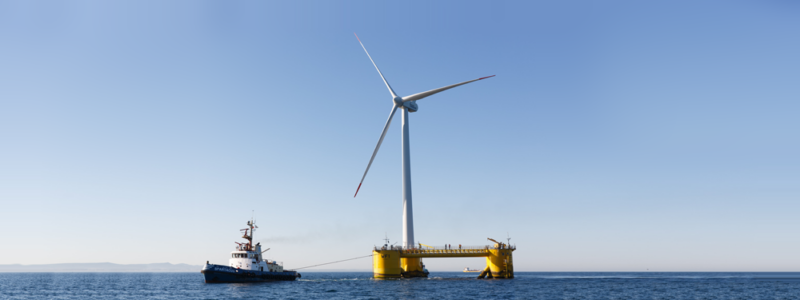
- Building on the extensive specialist skill base, transmission and pipelines, natural capital and distribution facilities, the Celtic Freeport’s growth sectors are floating offshore wind (FLOW), the production and distribution of alternative fuels (hydrogen, sustainable aviation fuel, biofuels) and low-carbon logistics.
- The Celtic Freeport will accelerate the roll-out of floating offshore wind (FLOW), the hydrogen economy, marine energy, and sustainable fuel production. There will also be substantial investment in port infrastructure at 2 new energy ports and factories to secure first-mover advantage in the global FLOW market.
- The Celtic Freeport will deliver future green skills pathways for young people through a dedicated local legacy fund. It will also establish an innovation network to bring together academics and businesses, utilising innovation assets like ORE Catapult.
See the Celtic Freeport website for more details.
East Midlands Freeport
East Midlands Freeport is creating a national, world-leading hub for global trade and investment. They will be a hotbed for innovation and low carbon energy production, boost skills and encourage sustainable job creation, in the heart of England with unrivalled connectivity by rail, road and air.
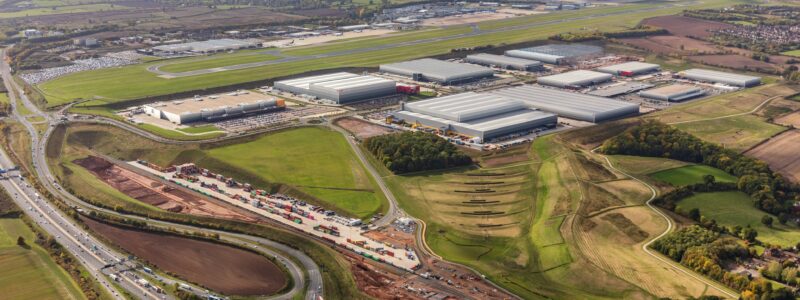
- The focus is to create high-skilled jobs in advanced manufacturing, low carbon and renewable energy production, along with supporting world-leading research at Space Park Leicester – it’s first customs site operator.
- East Midlands Freeport is already working to create tens of thousands of jobs and add billions to the East Midlands economy. Businesses are occupying sites on the East Midlands Airport and Gateway Industrial Cluster. Maritime Transport is expanding its rail terminal and Ratcliffe Power Station gained approval for its Local Development Order.
- The Freeport is currently investing over £25 million making sites ready to harnessing the power of the region’s universities – before reinvesting hundreds of millions in the region.
See the East Midlands Freeport website for more details.
Freeport East
Freeport East aspires to be the UK’s leading centre for trade, green energy, and innovation. With its unique global links and existing innovative sectoral clusters, Freeport East will attract inward international investment and drive domestic growth, propelling the country’s economy forward. It has particular strengths to support investments in priority sectors identified in the Industrial Strategy, including Advanced Manufacturing, Digital & Technologies, Clean Energy Industries and Defence. It also has a global reputation for excellence in the Ports & Logistics sectors.
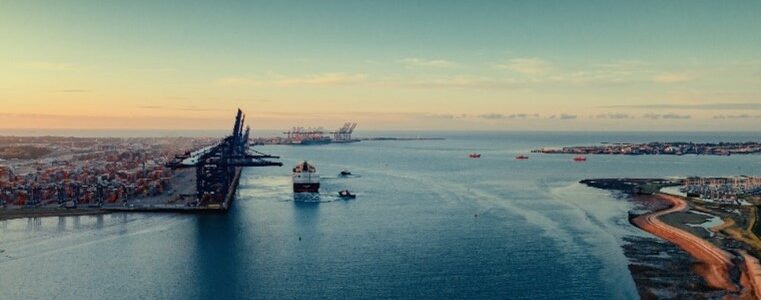
- Freeport East has high potential for growth in green hydrogen, clean fuels, cleantech manufacturing and offshore wind. It also houses leading universities and excels in logistics, digital technology, and agritech.
- Gateway 14, East Anglia’s largest business, innovation and logistics park, is situated midway between the world-class clusters of Cambridge and the Port of Felixstowe and has already seen investment for a £45 million manufacturing facility and £18.8 million for a skills and innovation centre at the new Stowmarket Innovation Gateway.
- There will be a 122-hectare deep-water port expansion in Bathside Bay to support the next generation offshore wind manufacturing and construction. At the Port of Felixstowe, a 68-acre site will provide 1.45 million sq. ft. of industrial facilities with construction work starting in 2026. The port is the UK’s largest and busiest container terminal and a unique UK location for strategic connections with unparalleled links for UK, European and global trade.
- There has been strong international interest in Freeport East, attracting new investors from around the world. Recent arrivals include Rux Energy, an Australian hydrogen storage innovator that has opened a new office in Harwich; Bauder, a German-headquartered construction manufacturer; and Assan Panel, a Turkish-owned building materials producer investing £45 million in a new factory at Gateway 14.
See the Freeport East website for more details.
Forth Green Freeport
Forth Green Freeport will boost decarbonisation and re-industrialise Scotland’s industrial heartland by attracting significant inward investment to prime development land.
Investments will expand capacity in logistics and trade, renewables manufacturing, alternative fuels and carbon capture and storage.
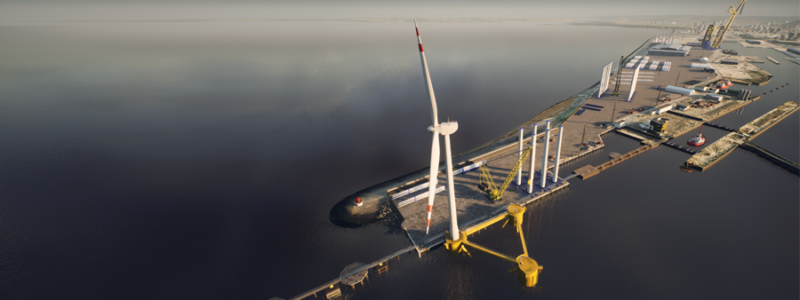
- Forth Green Freeport will accelerate expertise in shipbuilding and capitalise on the existing collaboration between industry and academia, delivering progress in advanced modular manufacturing and automation, low carbon logistics, e-commerce, and pharmaceuticals. The developing offshore wind, hydrogen and alternative fuels sectors are growth areas set to thrive alongside an expanded fast moving freight hub at Edinburgh Airport.
- Forth Green Freeport will deliver Scotland’s biggest offshore renewables development platform across Burntisland, Leith and Rosyth. It also will drive a thriving hydrogen economy and alternative fuels cluster in Grangemouth, all bolstered by new freight, rail and alternative fuel terminals.
- Forth Green Freeport will provide skill enhancement programmes by setting up a specialised fund. It will establish new research and development centres, innovation hubs for small and medium-sized enterprises and start-ups, and training facilities. Additionally, an innovation network will be formed to connect the right academics and businesses in the right locations.
See the Forth Green Freeport website for more details.
Humber Freeport
Humber Freeport is unlocking major investment opportunities across clean energy, advanced manufacturing and food and agri-tech. It is driving the UK’s energy transition and creating skilled jobs across the Humber.
As the UK’s Energy Estuary, the Humber is home to world-leading capabilities in offshore wind, hydrogen, carbon capture and sustainable fuels. With deep-water ports, ready-to-invest tax sites and unrivalled access to supply chains, Humber Freeport offers investors a connected and future-focused location for growth.
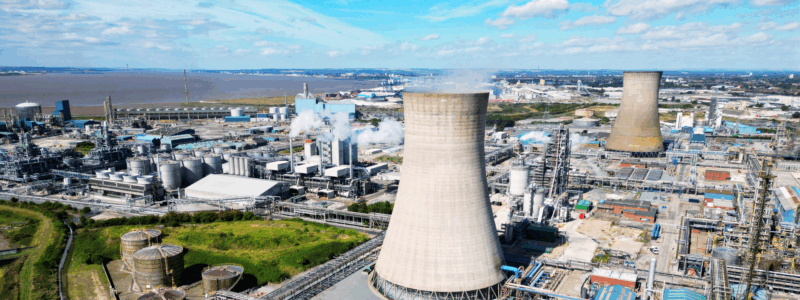
Key developments within Humber Freeport tax sites include:
- The expansion of Siemens Gamesa’s offshore wind turbine blade manufacturing facility in Hull,
- A £250 million investment from Mitsubishi Chemical Group to double production capacity at Saltend Chemicals Park.
- Further opportunities across the three sites – in Hull, Immingham and Goole build on the Humbers heritage, skilled workforce and supply chain in advanced manufacturing, food & agri-tech and clean energy
Shaped by its three pillars of innovation, decarbonisation and skills, Humber Freeport’s £25 million seed capital fund is supporting investments which will deliver lasting economic impact for the region. Projects to receive funding include:
- Heat pump manufacturer Ideal Heating’s UK Technology Centre in Hull, focused on advancing low carbon heating solutions,
- A significant expansion at industry training provider CATCH in Stallingborough, North East Lincolnshire to make it the UK’s leading trainer of welders
- Helm @ Immingham, ABP’s speculative development of much needed purpose built modern industrial units in Immingham, North East Lincolnshire
See the Humber Freeport website for more details.
Inverness and Cromarty Firth Green Freeport
Inverness & Cromarty Firth Green Freeport is a European strategic hub for renewable energy. Positioned at the heart of the UK’s multi-billion pound offshore renewables sector, the Green Freeport benefits from strengths in areas such as offshore wind and associated renewable energy technologies, as well as life sciences in Inverness.
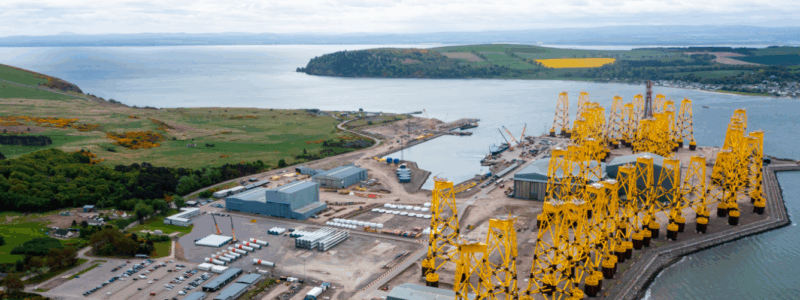
With a total of 520 hectares across 6 key sites, including 4 ports with sheltered deepwater access and wet storage capability. Strategic tax incentives and world-class infrastructure are designed to create competitive advantages for businesses and investors, while our prime access to Europe’s largest offshore energy market provides unique opportunities to unlock growth.
- Over £800 million invested to date including £350 million from Sumitomo Electric UK Power Cables Ltd for a subsea cable factory at Port of Nigg
- Strategic partnerships to create a future-focused workforce
- Strong existing local supply chain with significant experience in the energy sector
See the Inverness and Cromarty Firth Green Freeport website for more details.
Liverpool City Region Freeport
The Liverpool City Region has the UK’s leading transatlantic port, handling 45% of the UK’s trade from the US. It is estimated that the Freeport will add £850 million to the local economy and contribute towards its plans to boost R&D and target green technologies to reach net zero by 2040. The Freeport will fuel greater social mobility, innovation, and inclusion for our whole region.
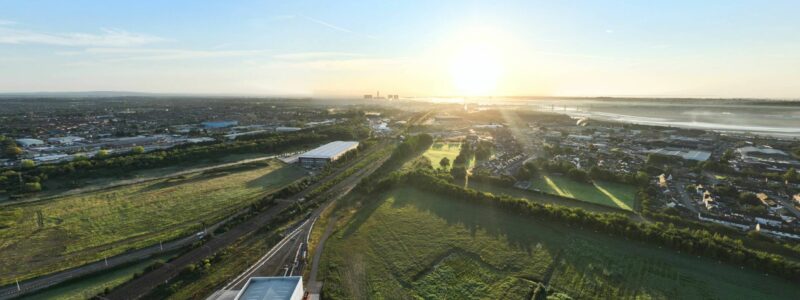
- Liverpool City Region has world leading capabilities, assets and skills in advanced manufacturing, health and life sciences, biomanufacturing and digital and creative sectors.
- LCR Freeport has the UK’s leading Custom Site Operator pipeline of over 100 businesses and is internationally recognised as a hub for trade & investment. Financial Times’ fDi Intelligence, has named the LCR Freeport as its inaugural “Rising Star” in its Global Free Zones of the Year awards, citing its focus on “the creation of highly skilled jobs, R&D initiatives, and the highest sustainability standards.”
- Multimodal, decarbonisation infrastructure projects, link access roads, skills academies and innovation challenge funds are just some of the key projects LCR Freeport is working to deliver.
See the Liverpool City Region Freeport website for more details.
Plymouth and South Devon Freeport
Our outstanding location is home to the UK’s National Centre for Marine Autonomy and is prime for growing advanced manufacturing, marine, renewables and innovation-led businesses nestled at the heart of an innovation ecosystem that includes:
- Smart Sound; over 1000km2 of authorised and de-conflicted water space for the development and testing of new marine technology.
- The Future Autonomy at Sea Technologies (FAST) cluster of over 50 businesses and research organisations in marine autonomy.
- The South West Regional Defence and Security Cluster of 300+ businesses in the defence sector and supply chain
- The National Drone Hub providing access to 8000km2 segregated airspace where industry, academia, Government and regulators can collaborate, innovate and accelerate drone & associated technologies, including in the defence sector.
- Proximity to the 4.5GW Celtic Sea Floating Offshore Wind (FLOW) development; the Crown Estate have identified that the south west could provide up to 12GW of FLOW
- Access to world-leading universities and research organisations specialising in marine, autonomy and clean propulsion technologies.
The autonomy and defence opportunity is clearly recognised in the Strategic Defence Review and Modern Industrial Strategy which highlights the Freeport as a Defence Industrial Strategy Zone. Along with accelerating growth in renewables and related sectors, this makes the Pymouth and South Devon Freeport the ideal location for businesses growing in the marine, defence, advanced engineering, net zero technologies and space sectors.
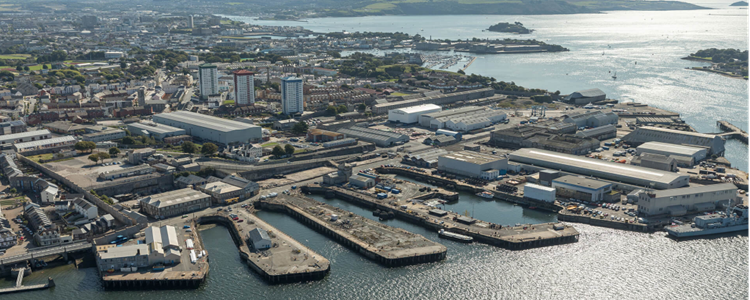
- Three strategically located tax sites offering scope for business expansion at South Yard, Langage and Sherford. South Yard sits in HMNB Devonport, Langage and Sherford adjacent to the A38 dual carriageway.
- PASD Freeport has invested £25 million of seed capital plus match funding exceeding £45m to make sites investment ready and improve port facilities in Plymouth.
- Carlton Power is investing in a 10MW capacity green hydrogen plant on the Freeport’s Langage site.
- Babcock is developing an Integrated Logistics Hub and Advanced Manufacturing Facility in the Freeport, building on their Supacat Jackal manufacturing facility in South Yard.
- PASD Freeport actively supports prospective occupiers to meet their workforce needs. As an example, Freeport tenant Babcock worked with the Department of Work and Pensions and Plymouth City Council to develop a skills-based work academy programme to support people back into employment.
See the Plymouth and South Devon Freeport website for more details.
Solent Freeport
Solent Freeport supports economic growth in the Solent – which, like many coastal communities across the UK – has a range of socio-economic challenges. Freeport status provides the opportunity to transform our economy around our world leading maritime excellence and secure a renaissance of our coastal communities.
It seeks to harness the Solent’s unrivalled natural capital to pioneer clean growth technology and adaptation to drive productivity within the freeport and across the wider region’s business and employment base, and at the same time enhance the quality of local environmental assets for the benefit of its communities.
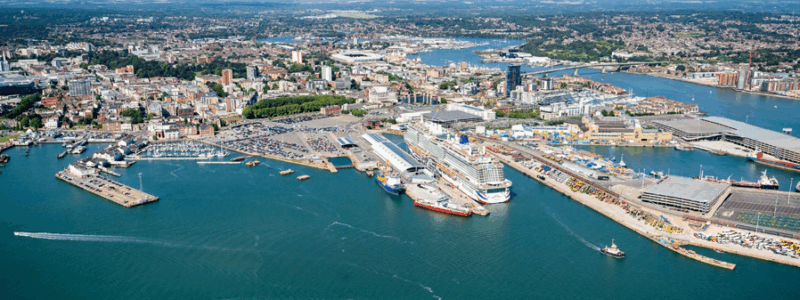
The Solent region has three major ports, is a gateway to global markets and a hub for marine manufacturing. The Solent maritime sector supports 3,000 businesses and 198,500 jobs, contributing £7.7bn GVA to the regional economy each year. It is the ideal location for inward investment, with access to a skilled workforce, research and development capabilities, and a strong supply chain.
The region is also home to a diverse range of companies involved in advanced manufacturing, including aerospace, automotive, and electronics. The region’s focus on collaboration, innovation and skills development ensures that it remains at the forefront of advanced manufacturing in the UK and globally.
Solent Freeport is a world leader for maritime education and training, and its three universities – the University of Southampton, the University of Portsmouth, and Solent University – and many research organisations to drive forward technological advancements and competitiveness.
See the Solent Freeport website for more details.
Teesside Freeport
Covering 4,500 acres, and with sites at Teesworks and Teesside Airport, Teesside Freeport is expected to create more than 18,000 jobs and boost the local economy by billions in its first 5 years.
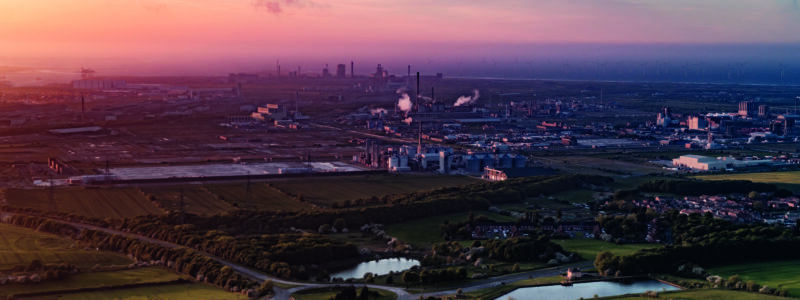
- At the heart of the UK’s biggest industrial zone and chemical sector, the Freeport specialises in biomanufacturing and low carbon making it the go-to place for renewables, offshore wind and hydrogen manufacturing.
- As part of the Freeport, Teesworks boasts £650 million investment from SeAH Wind. The mammoth offshore facility will be the biggest of its kind in the world. Other investments include Circular Fuels’ £150 million fuel-from-waste plant, the UKs premier CCUS project, Net Zero Teesside and a £113 million investment in the deep-water South Bank Quay.
- The Teesworks Skills Academy supports employers and local people to create a world-class workforce for the future, equipped with the expertise businesses at the Teesworks site will need to grow and succeed.
See the Teesside Freeport website for more details.
Thames Freeport
Thames Freeport is a unique, once-in-a-generation opportunity to stimulate trade, accelerate energy transition, and transform the lives of people in London and the boroughs to its east through the creation of 21,000 jobs and harnessing innovation to power the future economy. It’s the biggest development area in the UK closest to the Europe’s largest consumer market, connecting to 130 ports in over 65 countries, with land ready for development.
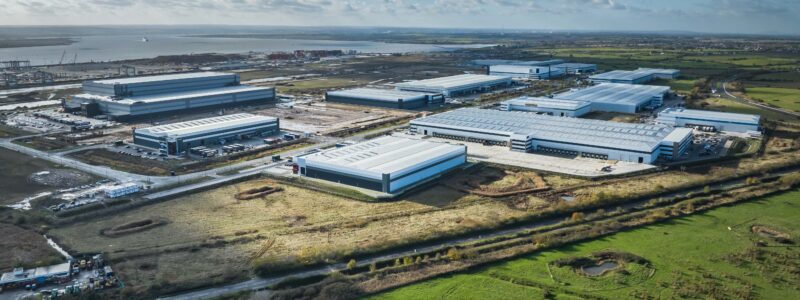
- A world class industrial and innovation cluster is taking shape on the banks of the River Thames; a beacon for advanced manufacturing, clean energy technologies, and future logistics that will reshape supply chains.
- Thames Freeport is enhancing global capacity by a third and will drive investment in 5G, modular construction and future fuels. It will launch innovation hubs, driving increased collaboration between developers, researchers, and businesses. A new Skills Accelerator will boost the knowledge economy across the Freeport’s manufacturing and logistics cluster.
- The Thames Freeport Skills Fund will help local workers access sustainable, higher paying jobs created by the Freeport. It will provide support to skills institutions with targeted interventions, strengthening the local education ecosystem.
See the Thames Freeport website for more details.